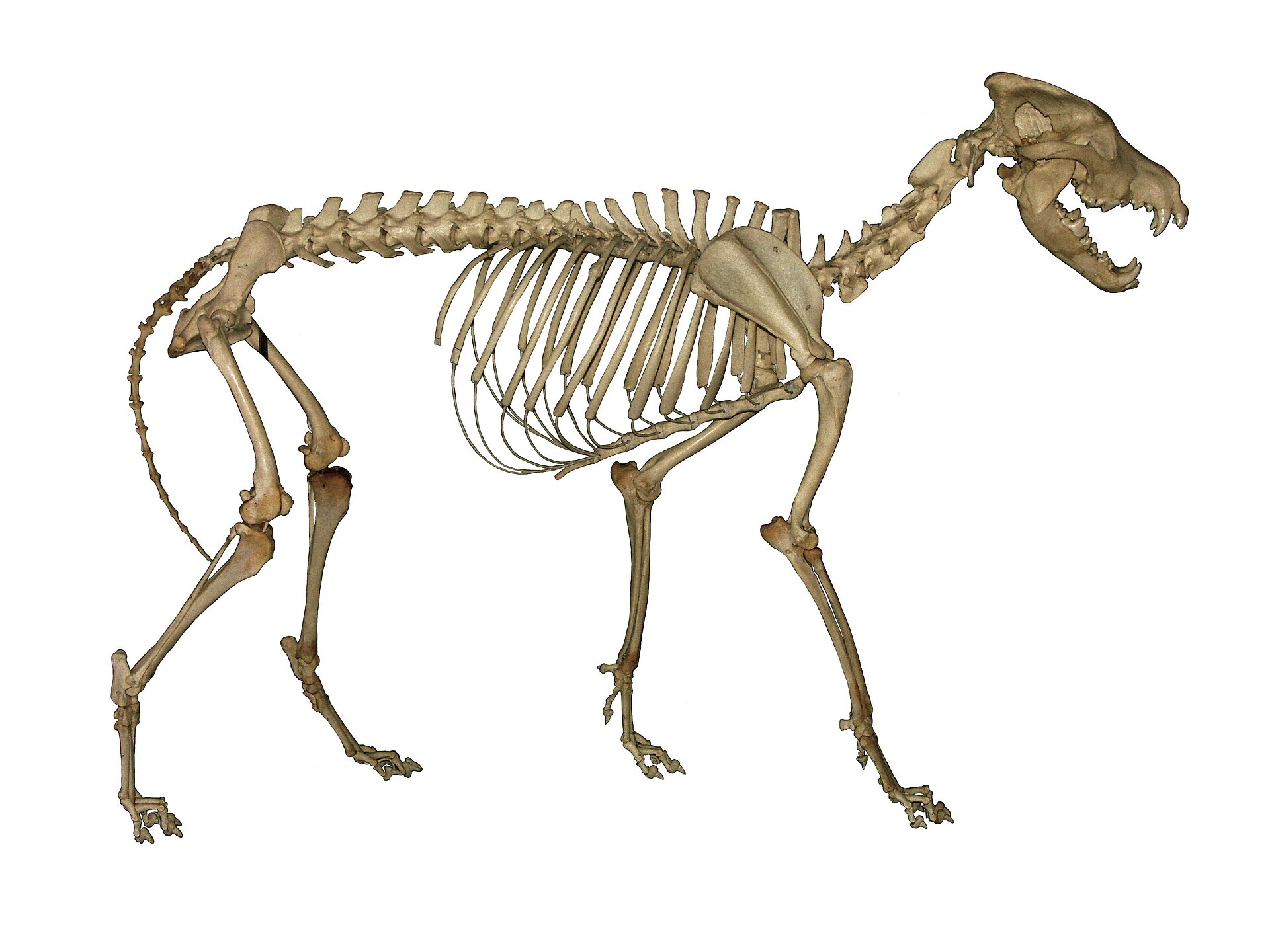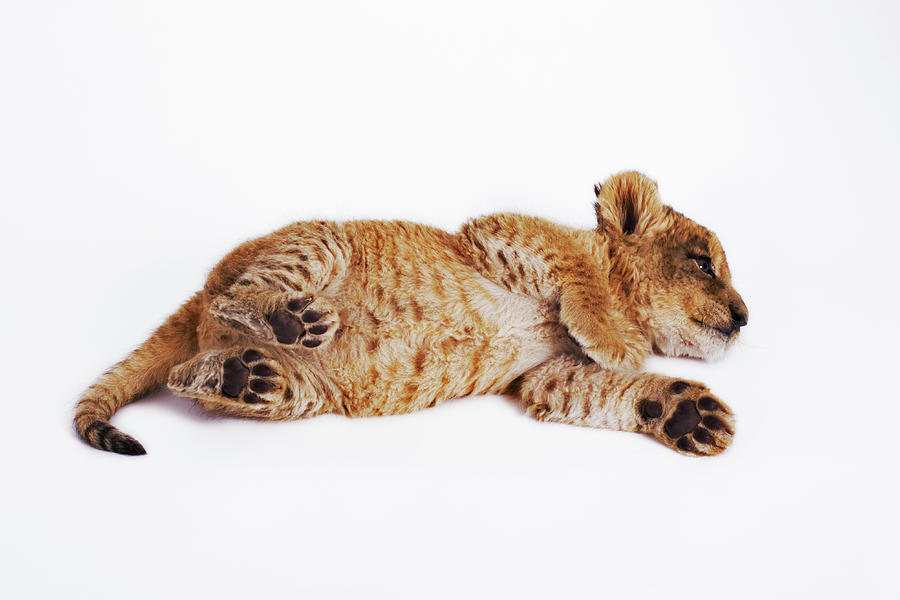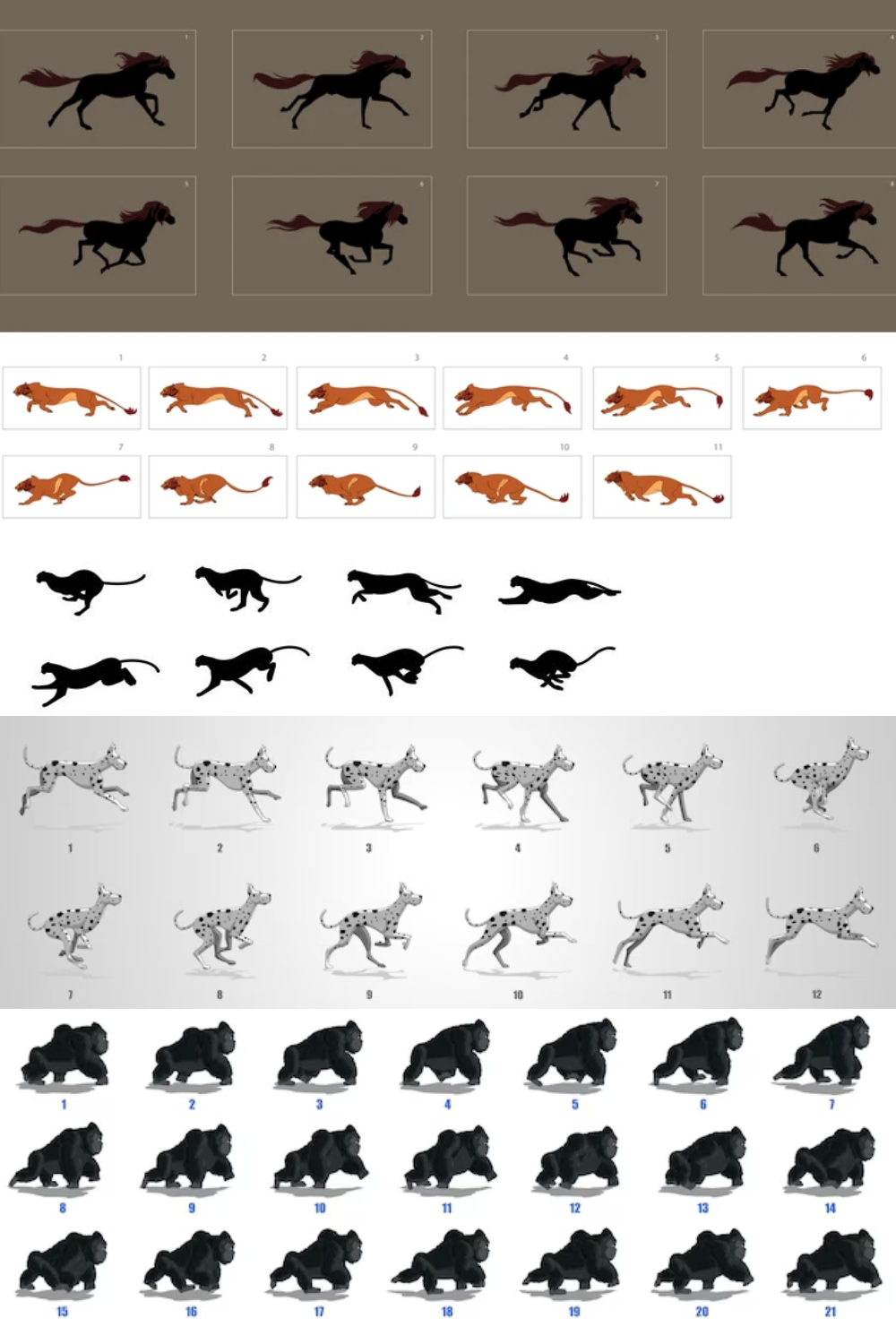
Mastering creature animation requires more than just moving controls; it demands a deep understanding of biomechanics, weight, and personality. Unlike human bipeds, animals possess unique skeletal structures—digitigrade, plantigrade, or unguligrade—that dictate their movement.
Below are the top 10 land animals chosen for their strategic value in building a professional animation portfolio, analyzing their mechanics, behaviors, and industry relevance.
1. The Horse (Ungulate)
Why Strategic: The horse is the “Hello World” of creature animation. It offers the most complex array of distinct gaits (walk, trot, canter, gallop) and is a staple in both period films and fantasy games (as mounts).
- How to get references: Eadweard Muybridge’s locomotion plates are essential. Equestrian events and dressage videos show isolated muscle control.
- Poses & Cycles: Focus on the “suspension phase” in the gallop where all four feet are off the ground.
- Top Cycles:
- Video Games: Canter loop (asymmetric beat for smooth player travel).

- Film: Rearing up (shows weight transfer and muscle tension).
- Scientific Data: Horses have a “stay apparatus”—a system of ligaments that allows them to lock their legs and sleep standing up. In animation, this means the legs should never feel “loose” when idle; they are tense structural columns (Biewener, 2003).
2. The Big Cat (Lion/Tiger)
Why Strategic: Mastering the “floating scapula.” Unlike humans, cats have no collarbone attached to the sternum, allowing their shoulder blades to slide freely along the ribcage.
- How to get references: BBC Earth documentaries (slow motion hunting scenes) and zoo archives.
- Poses & Cycles: The “stalking” pose—low center of gravity with the head fixed in space while the body moves.
- Top Cycles:
- Video Games: Run cycle (high flexibility in the spine for speed).

- Film: Roar/Attack (requires facial rigging and heavy breath physics).
- Scientific Data: Felids rely on their tail for angular momentum conservation during sharp turns. Animating the tail as a counterbalance rather than just “follow-through” adds realism (Gordon et al., 2017).
3. The Dog (Canine – Digitigrade)
Why Strategic: The most relatable animal to audiences. If the acting is off, the audience spots it immediately. It bridges mechanics with high-emotional acting.
- How to get references: Domestic observation and agility training videos (Crufts).
- Poses & Cycles: “Play Bow” (front down, rear up) is critical for showing intent.
- Top Cycles:
- Video Games: Trot (efficient, standard travel speed for NPCs).
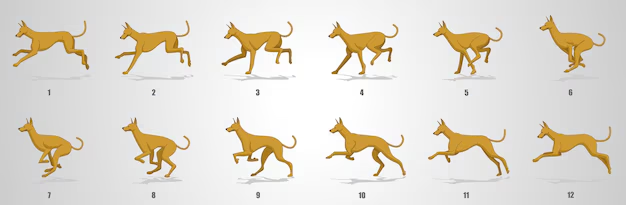
- Film: Guilty/Submissive walk (head low, avoiding eye contact, tail tucked).
- Scientific Data: Dogs are digitigrade (walking on toes). Their “wrist” is actually high up the leg. The primary power for the jump comes from the rear glutes and hocks, not the front legs (Daley & Usherwood, 2010).
4. The Gorilla (Primate)
Why Strategic: The bridge between quadruped and biped. They use “knuckle-walking” and have human-like facial anatomy, making them perfect for mastering facial performance capture.
- How to get references: Dian Fossey Gorilla Fund footage.
- Poses & Cycles: The “Silverback Stance”—chest dominance with weight resting heavily on long arms.
- Top Cycles:
- Video Games: Charge/Slam (explosive energy release).
- Film: Idle interaction (grooming, subtle finger dexterity).
- Scientific Data: Gorillas have a massive center of mass in their upper body. Unlike humans, their legs are shorter and carry less weight during locomotion, creating a “top-heavy” pivot point in animation.
5. The Elephant (Heavy Weight)
Why Strategic: The ultimate test of “weight.” Animators must master slow-in/slow-out and the delay of flesh (jiggle) caused by massive scale.
- How to get references: Safari live streams (Africam).
- Poses & Cycles: Weight shift—lifting one leg requires a massive, visible counterbalance of the entire body.
- Top Cycles:
- Video Games: Stampede (camera shake integration).
- Film: Trunk manipulation (complex “snake-like” rig control).
- Scientific Data: Elephants walk with a “fore-aft” sequence but always keep at least two feet on the ground to support their mass (columnar limbs). They cannot jump; thus, no “flight phase” exists in their run (Biewener, 2003).
6. The T-Rex / Large Theropod
Why Strategic: While extinct, it is the industry standard for “Creature Animation.” It combines bird mechanics with heavy-weight physics.
- How to get references: Large flightless birds (ostrich, emu, cassowary) and chickens.
- Poses & Cycles: Head stabilization—the head remains level while the body bobs.
- Top Cycles:
- Video Games: Roar/Intimidate (gameplay telegraphing).
- Film: Chase (heavy footfalls with tail counter-sway).
- Scientific Data: Modern analysis suggests theropods were not upright “tripods” (tail dragging) but balanced horizontally like a seesaw at the hips. The tail is a rigid counterbalance, not a limp rope (Hutchinson et al., 2011).
7. The Spider (Arachnid)
Why Strategic: Handling multi-legged rigs (IK chains). Requires animating 8 legs without them clipping or looking chaotic.
- How to get references: Macro videography of tarantulas or jumping spiders.
- Poses & Cycles: The “Threat Pose” (front legs raised).
- Top Cycles:
- Video Games: Wall crawl (changing orientation from floor to wall).
- Film: Scuttling (rapid bursts of movement followed by absolute stillness).
- Scientific Data: Spiders use hydraulic pressure to extend legs, not just muscles. This creates a “robotic” and sudden extension movement rather than the smooth arc of a mammal.
8. The Bear (Plantigrade)
Why Strategic: Bears are plantigrade (walk flat-footed like humans) but function as quadrupeds. They allow animators to practice transitioning between four-legged and two-legged stances.
- How to get references: National Park cam footage (Katmai National Park).
- Poses & Cycles: “Bipedal stand” (sniffing the air).
- Top Cycles:
- Video Games: Maul/Swipe (upper body strength isolation).
- Film: Foraging (rolling rocks, using paws like hands).
- Scientific Data: Bears have loose skin and heavy fur. Correct simulation of “secondary motion” (fat/fur lag) is critical here, as the rigid animation often looks wrong without the secondary layer.
9. The Lizard (Reptile)
Why Strategic: Lateral spine movement. Mammals flex the spine vertically (gallop); reptiles flex horizontally (sprawl).
- How to get references: Komodo dragons and geckos.
- Poses & Cycles: The “S-Curve” idle.
- Top Cycles:
- Video Games: Scurry (rapid limb movement with slow body travel).
- Film: Tongue flick (sensory animation).
- Scientific Data: Locomotion is driven by the spine. The right front leg moves with the left back leg, but the spine curves toward the back leg to maximize reach (Biewener, 2003).
10. The Wolf (Game Standard)
Why Strategic: The primary antagonist in 50% of RPGs. It differs from the domestic dog by having a narrower chest, longer legs, and more efficient, “energy-saving” movement.
- How to get references: Wolf conservation center livestreams.
- Poses & Cycles: The “Stalking Trot”—head low and inline with the spine.
- Top Cycles:
- Video Games: Hit reaction (flinching without losing footing).
- Film: Howling (neck stretching and chest expansion).
- Scientific Data: Wolves single-track (place back feet in the prints of front feet) to conserve energy in snow. This straight-line movement is distinct from the “side-to-side” wobble of many domestic dogs.
The Importance of Sculpting & Texturing
For an animator, understanding the “shape beneath the skin” is vital.
- Sculpting (ZBrush/Mudbox): You must know where muscles insert and originate. If you sculpt a glute incorrectly, you will not understand how it deforms during a walk cycle.
- Texturing: Textures act as visual guides. A stripe pattern on a tiger reveals stretching and squashing of the skin that a solid gray mesh hides. Mastering UV mapping ensures your animation doesn’t “swim” or distort textures unrealistically.
Mastering the 3D Production Pipeline
Animation does not exist in a vacuum.
- Rigging: An animator must understand constraints (IK/FK) to request the right controls.
- Animation: The core performance.
- Simulation (CFX): Fur, muscle, and cloth. The animator’s movement drives the simulation; jerky animation breaks the physics engine.
- Engine Integration (Unreal/Unity): Understanding “root motion” vs. “in-place” animation is critical for game logic.
Industry Standard Software
Autodesk Maya (The Industry King)
- Why it excels: Maya is the absolute standard for feature film and AAA games due to its robust scripting (Python/MEL) and rigging infrastructure. It handles complex creature rigs (muscle systems, face rigs) better than any competitor.
- Role: If you want to work at ILM, Pixar, or Naughty Dog, you must know Maya.
Blender (The Indie Powerhouse)
- Role: Perfect for low budgets and indie developers. It combines sculpting, animation, and rendering in one free package. While its rigging system is less standardized in big pipelines, its speed and “Eevee” real-time renderer make it a top choice for freelancers.
Conclusion
To master creature animation is to master the art of observation. By studying the ten animals listed above—from the heavy mechanics of the elephant to the hydraulic snap of the spider—you build a library of motion that can be applied to dragons, aliens, and beasts yet to be imagined.
References (APA)
Hutchinson, J. R., et al. (2011). The evolutionary continuum of limb function from early theropods to birds. Naturwissenschaften, 98(11), 923-940.
Biewener, A. A. (2003). Animal Locomotion. Oxford University Press.
Daley, M. A., & Usherwood, J. R. (2010). Limb compliance and the control of animal locomotion. Biology Letters, 6(3), 426–429.
Gordon, M. S., Blickhan, R., & Dabiri, J. O. (2017). Animal Locomotion: Physical Principles and Adaptations. CRC Press.