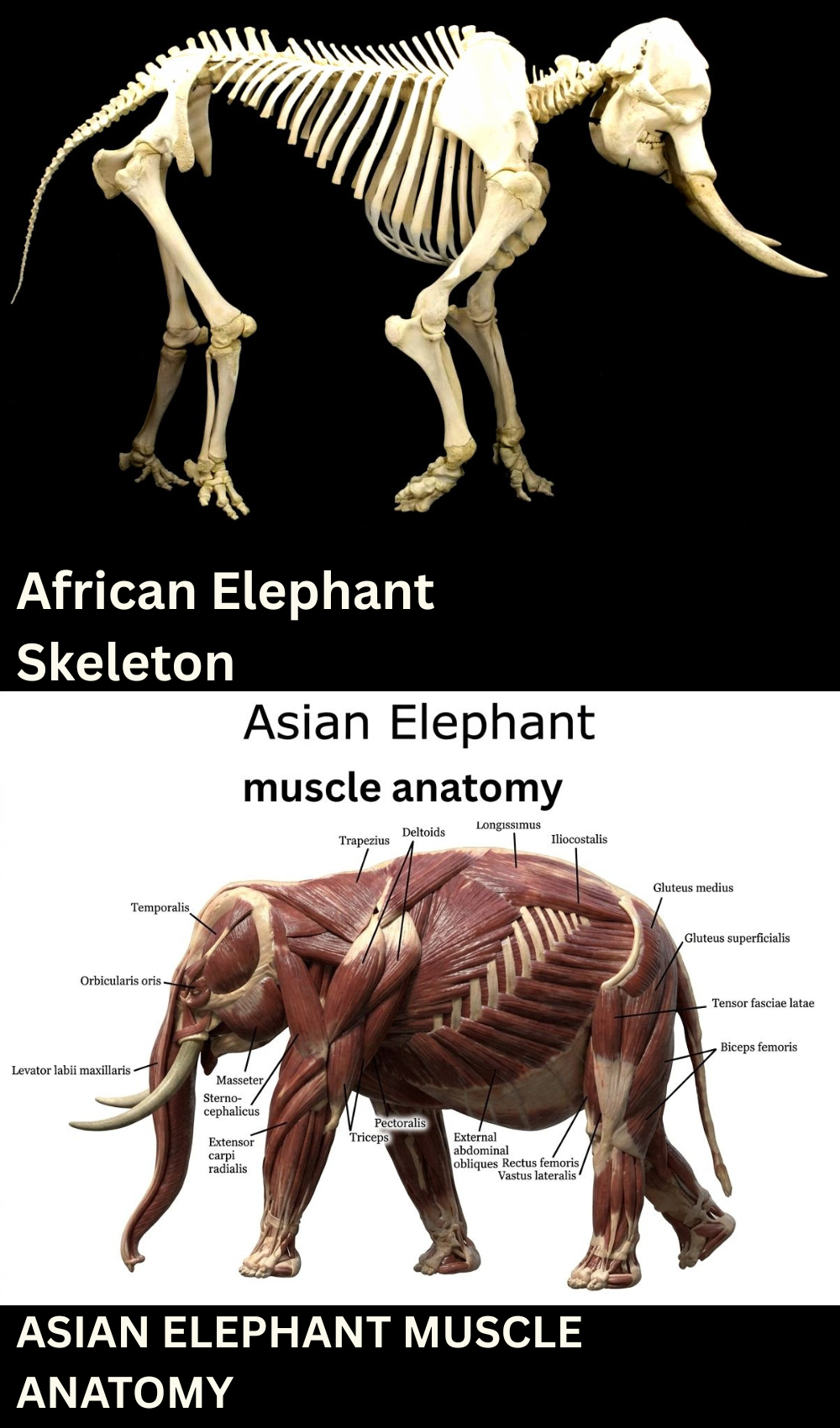
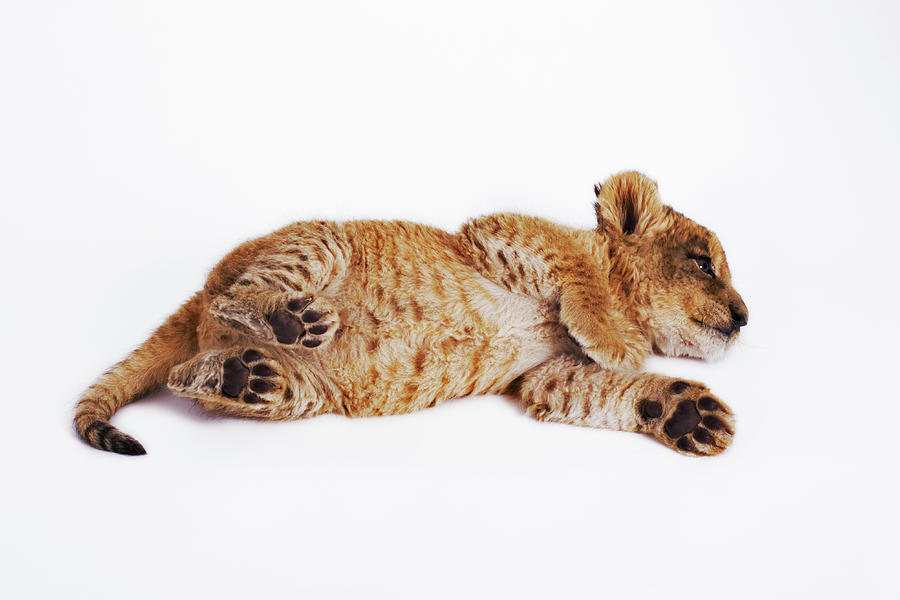
Animating a tiger convincingly is one of the hardest (and most rewarding) challenges in character animation. Tigers combine raw power, feline grace, and subtle personality in every movement. This guide is built specifically for animators — whether you’re working in games, film, or shorts — and focuses on real, observable biomechanics and behavior that will make your tiger feel alive.
The Importance of Animal Animation Cycles (and Why Tiger Cycles Are Gold for Animators)
In animation — especially in video games and films — an animation cycle is a short, seamless loop of motion that repeats perfectly (or almost perfectly) when played back-to-back. Classic examples are a walk cycle, run cycle, or idle breathing loop.
These cycles are critical because:
- They serve as the foundational reference for every frame an animator draws or rigs.
- They save enormous amounts of time: instead of animating a character walking for 30 seconds from scratch, you create one perfect 1–2 second cycle and let the engine loop it.
- They ensure consistency in timing, weight, and personality across an entire project.
- In games, they are memory-efficient and allow real-time blending between actions (walk → run → jump).
Big studios (Disney, DreamWorks, Blizzard, etc.) and indie animators alike study real animal footage to create believable cycles. Tigers, being powerful, graceful, and instantly recognizable, are one of the most referenced big cats.
Here are the Top 5 most useful tiger animation cycles every animator should study or have in their library, ranked by how frequently they appear in games and films:
Walk Cycle (Stealth / Patrol Walk)
- Approximate length: 1.0 – 1.6 seconds (24–40 frames at 24 fps)
- Why it’s essential: This is the default movement for almost every big cat NPC or creature in games (World of Warcraft tigers, Far Cry tigers, etc.). The slow, low-to-the-ground prowl with shifting weight and tail balance shows perfect feline stealth and power. In films (The Jungle Book 2016, Life of Pi), this cycle sells the tiger as both beautiful and dangerous.

Trot / Fast Walk Cycle
- Approximate length: 0.6 – 0.9 seconds (15–22 frames at 24 fps)
- Why it’s essential: The transitional speed between walk and run. Used constantly in open-world games when the tiger is following prey or patrolling faster. It’s harder to get right than a walk because the legs start to cross into a rotary gallop, and the spine undulation becomes more pronounced.
Run / Gallop Cycle (Bounding Gallop)

The idea is to capture the general curves without detail. Deconstruct the animation.

Deconstructing a run cycle into simple lines—often called a stick-figure block-out—is a fundamental step in mastering creature animation. Before getting lost in the complex details of fur or muscle anatomy, drawing basic lines allows you to focus entirely on the core mechanics of movement. This technique helps you accurately establish the animal’s timing, weight transfer, and the overall rhythm of the stride. By perfecting this foundational skeletal structure first, you ensure the underlying motion is fluid and biologically believable. Once the basic mechanics are solid, completing the full visual reconstruction is much easier, resulting in dynamic, realistic animations perfectly suited for game development.

- Approximate length: 0.4 – 0.7 seconds (10–17 frames at 24 fps)
- Why it’s essential: Pure cinematic adrenaline. This is the iconic “tiger charging” moment you see in every trailer. The gathered hind legs and extended front paws create that explosive, terrifying launch. Games like Assassin’s Creed and Tomb Raider use this cycle (or blends of it) for boss fights and chase sequences.


Idle / Breathing + Alert Cycle
- Approximate length: 4–8 seconds (often non-perfect loop with subtle variation)
- Why it’s essential: Makes a static tiger feel alive when the player is just watching. Subtle ear twitches, slow tail sway, ribcage breathing, and occasional head turns prevent the “dead statue” look. Almost every modern game with a tiger companion or zoo exhibit relies on a polished idle cycle.
Pounce / Leap Attack Cycle
- Approximate length: 0.8 – 1.3 seconds (not always looped, but often used as a full clip)
- Why it’s essential: The money shot. This is the single most reused tiger animation in both games and films — the crouch, coil, and explosive leap with claws out. It’s blended into combat systems (Ark: Survival Evolved, Monster Hunter) and used as hero moments in movies (The Lion King 2019 had similar big-cat leaps). Getting the anticipation and follow-through right here instantly sells weight and power.
Quick Reference Table
| Rank | Cycle Name | Approx. Length | Main Use in Games | Main Use in Films |
|---|---|---|---|---|
| 1 | Stealth Walk | 1.0–1.6 sec | NPC patrol, stalking prey | Establishing danger & grace |
| 2 | Trot / Fast Walk | 0.6–0.9 sec | Transition speed, exploration | Traveling shots |
| 3 | Bounding Gallop/Run | 0.4–0.7 sec | Chase sequences, charges | Action & pursuit scenes |
| 4 | Idle + Breathing | 4–8 sec | Standing NPCs, cutscenes | Close-ups, tension building |
| 5 | Pounce / Leap Attack | 0.8–1.3 sec | Combat finishers, boss attacks | Dramatic kills & hero moments |
Master these five cycles (even as rough block-outs) and you can convincingly animate 90% of tiger scenes in games or films. Reference slow-motion big-cat footage from BBC Earth or National Geographic, trace over it if you’re 2D, or use it as timing reference in 3D — your tigers will instantly feel like real predators instead of stiff house cats.
a) Top Tiger Poses and Locomotion Animation References
Here are the essential poses and gaits every tiger animator needs in their reference library, with short explanations of why each one matters and what to watch for.
1. Relaxed Stand (Alert Resting Pose)
- Four feet evenly planted, weight slightly shifted to the front legs.
- Tail relaxed or slowly swaying for balance and mood.
- Importance: This is your “neutral” or idle pose. A good relaxed stand shows the tiger’s mass distribution (60% weight on forelimbs) and sets up believable transitions into any action.
2. Stalk / Crouched Hunting Pose
- Extremely low center of gravity, belly almost touching the ground.
- Shoulders high, hindquarters low, spine in a gentle S-curve.
- Slow, deliberate stepping with paws placed carefully.
- Importance: The signature “big-cat stealth” pose. Exaggerate the shoulder blade movement (scapula slide) — it’s massive in tigers and sells silent power.
3. Walk (Standard Feline Walk)
- Sequence: Left hind → Left front → Right hind → Right front (diagonal pattern).
- Spine has two clear bends per cycle (like a double suspension gallop but slower).
- Tail acts as counterbalance, often held low and slightly curved.
- Importance: Most common locomotion in non-combat scenes. Get the spine waves right and your tiger instantly looks like a real feline instead of a stiff dog.
4. Trot
- Two-beat diagonal gait (left hind + right front together, then right hind + left front).
- Faster than walking, bouncier, more upright posture.
- Tail usually raised slightly for balance.
- Importance: Perfect for “patrolling territory” or covering ground efficiently without looking rushed. Great transitional speed between walk and faster gaits.
5. Canter (Asymmetrical Gait)
- Three-beat gait unique to big cats when moving at medium-high speed.
- Typical sequence: Hind → opposite hind + front together → remaining front.
- Very fluid, almost floating feel with a moment of suspension.
- Importance: The “cruising” speed tigers use in the wild. Most game engines fake this with a run cycle — doing a proper canter instantly elevates realism.
6. Gallop / Full Run (Rotary Gallop)
- Fastest gait: four-beat with gathered and extended suspension phases.
- All four legs tuck under body (gathered suspension) then shoot out (extended suspension).
- Spine flexes dramatically — extreme arch and curl.
- Importance: The money shot. This is where you show explosive power. Reference Amur tigers specifically — they have the longest suspension phases among big cats.
7. Pounce / Leap
- Deep crouch → explosive extension of hind legs → all four legs extended in flight → front paws hit first.
- Back arches strongly in flight, tail straightens for rotation control.
- Importance: Iconic hunting and play behavior. Timing is everything — too early a front-paw reach looks weak, too late looks floaty.
8. Play Bow
- Front legs extended, chest low, hindquarters raised, tail wagging or held high.
- Often combined with playful side-to-side swaying.
- Importance: Instantly shows personality and youth. Even adult tigers play; this pose humanizes them and adds charm.
9. Aggressive Charge Pose
- Ears flattened, mouth partially open (Flehmen or growl), direct forward stare.
- Low, powerful posture with exaggerated shoulder roll.
- Importance: Used in combat animation. The shoulder muscles (especially the triceps and deltoids) visibly bunch and release with each step.
10. Climbing Pose (Tree or Rock)
- Front paws hug the surface, claws digging in, hind legs push from below.
- Spine almost vertical in extreme climbs.
- Importance: Tigers are surprisingly good climbers (especially as cubs and sub-adults). Shows their versatility and reminds the audience they’re not just ground predators.
Bonus Micro-Poses That Sell Personality
- Ear flicking (independent ear control is huge)
- Mom defending cub (Cub first walk)
- Tail twitches and lashes for emotion
- Slow blink / “kitty kiss”
- Lip curl (Flehmen response) when smelling
- Paw lift when uncertain or playful
- Tiger and Lion Love
Pro tip: Always film or collect reference at 60–120 fps when possible. Tiger motion happens fast — especially the gallop suspension phases — and you’ll miss critical details at 24-30 fps.
Tiger, Tigress, and cubs: anatomy facts and core features for 3d animators
Tiger (Adult Male Bengal Tiger)
| Category | Details |
|---|---|
| a) Dimensions (Length, Height) | Total length: 270–310 cm (110–120 in) including tail (85–110 cm / 33–43 in long). Shoulder height: 90–110 cm (35–43 in). Head-body length: 183–211 cm (72–83 in). |
| b) Average Weight | 200–260 kg (440–570 lb); up to 295 kg (650 lb) for largest individuals. |
| c) Top Roles and Behaviors | Territorial defender and solitary hunter; patrols large home ranges (up to 1,923 km²) overlapping multiple females; ambushes large ungulates like gaur or buffalo; roars and scent-marks to communicate dominance; may occasionally share kills with females/cubs but often commits infanticide to induce estrus in females. |
| d) Fur Color Variations | Primarily tawny orange with black/brown stripes (21–29 per flank); rare recessive mutants include white (creamy white with sepia/black stripes), golden (pale golden with red-brown stripes), and snow white (nearly stripeless white); pseudo-melanistic (wide black stripes blending into near-black fur). |
| e) Sexual Dimorphism Explained | Pronounced size difference: males ~30–50% larger/heavier than females, with broader skulls, zygomatic arches, and occipital crests for stronger bites and territorial fights; males have larger upper carnassials and canines; females more agile for hunting with cubs; dimorphism increases with latitude/body size. |
| f) Top Traits and Details for 3D Animators | Flexible spine for 10m leaps; powerful hindlimb extensors (e.g., quadriceps) for 60 km/h sprints; forelimb supraspinatus and triceps for grappling prey; rounded paws with retractable claws (up to 10 cm); dynamic fur simulation with directional flow (shorter on face/legs, longer on flanks); rigged joints emphasizing elbow/shoulder rotation for pouncing; UV mapping for stripe asymmetry. |
| g) Top Anatomy Facts | 600+ muscles (60–70% body mass); skull up to 41.3 cm long with sagittal crest for jaw power; 30 teeth including 7 cm canines; flexible vertebral column (30 vertebrae) for twisting; tapetum lucidum for night vision; hind legs longer than forelegs for propulsion. |
Tigress (Adult Female Bengal Tiger)
| Category | Details |
|---|---|
| a) Dimensions (Length, Height) | Total length: 240–265 cm (94–104 in) including tail (85–110 cm / 33–43 in long). Shoulder height: 90–110 cm (35–43 in). Head-body length: 164–193 cm (65–76 in). |
| b) Average Weight | 100–160 kg (220–350 lb); up to 181 kg (400 lb) for largest individuals. |
| c) Top Roles and Behaviors | Primary caregiver and hunter for family unit; raises 2–6 cubs for 18–24 months, teaching hunting via play; smaller territories (248–520 km²) near water/prey; more tolerant of overlapping ranges with kin; cycles estrus every 3–9 weeks; defends cubs ferociously, including against males. |
| d) Fur Color Variations | Same as males: tawny orange with black/brown stripes; rare white, golden, or snow white mutants; females may show subtler stripe width variations but no sex-specific colors. |
| e) Sexual Dimorphism Explained | Females smaller and lighter (~70% male size) with narrower skulls/muzzles for agility; less pronounced cranial crests; adapted for cub-rearing (e.g., mammary glands); sexual maturity at 3–4 years vs. males’ 4–5; dimorphism aids male-male competition while females prioritize endurance hunting. |
| f) Top Traits and Details for 3D Animators | Enhanced maternal animations (e.g., grooming/licking cubs); agile rigging for stalking with lower center of gravity; fur with softer undercoat for cub camouflage; detailed whisker simulation for sensory navigation; joint limits for crouching/carrying prey; texture layers for seasonal shedding. |
| g) Top Anatomy Facts | Similar to males but scaled down: ~600 muscles; gestation 104–106 days; 4–5 teats for nursing; stronger abdominals for birthing/hiding cubs; enhanced olfactory bulb for tracking family scents; same dental formula (I:3/3, C:1/1, P:3/2, M:1/1). |
Cub (Neonatal to Juvenile Bengal Tiger Cub)
| Category | Details |
|---|---|
| a) Dimensions (Length, Height) | Newborn: ~30 cm (12 in) head-body, total ~50 cm (20 in) with tail; shoulder height ~15 cm (6 in). 6 months: ~75–90 cm (30–35 in) total length, shoulder ~40 cm (16 in). 18 months (juvenile): Approaches adult female size (~200 cm total, 80 cm shoulder). |
| b) Average Weight | Newborn: 0.8–1.6 kg (1.8–3.5 lb). 6 months: Males 40–47 kg (90–105 lb), females ~30 kg (66 lb). 18 months: 50–100 kg (110–220 lb), nearing independence. |
| c) Top Roles and Behaviors | Dependent learners in maternal family group; play-fights to develop hunting skills; weaned at 6–8 weeks, first kills at 11 months; males disperse farther at 18–24 months; high mortality (50%+) from infanticide/starvation; hierarchical sibling dynamics with dominant male eating first. |
| d) Fur Color Variations | Fuzzy grayish-woolly newborn coat (fades by 3–5 months); emerges as adult orange/black stripes; inherits recessive traits (e.g., white/golden) if both parents carry genes; more stripes than adults for camouflage. |
| e) Sexual Dimorphism Explained | Minimal in cubs: slight male size advantage emerges by 6 months; males develop broader heads/canines earlier; females mature faster (3–4 years vs. 4–5); dimorphism subtle until adolescence, focusing on growth rates rather than structure. |
| f) Top Traits and Details for 3D Animators | Playful rigging for tumbling/sparring (e.g., flexible neck/joints); soft, downy fur shaders with high scatter for woolly texture; growth morph targets from neonatal to juvenile; exaggerated ear/tail movements for curiosity; paw pad details for climbing; animation cycles for nursing/pouncing practice. |
| g) Top Anatomy Facts | Born blind/deaf, eyes open at 10–14 days; 2–5 per litter after 105-day gestation; rapid growth (35 lb by 4 months); deciduous teeth by 2 weeks, permanent by 6 months; undeveloped claws for climbing; immune boost from mother’s milk for 2–3 months. |
Adult Tiger and Tigress Muscle Anatomy
Adult tigers have a muscular body with a large head and paws, where skeletal muscles can make up around 56% of body weight in some specimens. Males are generally larger and more muscular than females, with body lengths up to 3.5 meters and weights exceeding 300 kg, compared to tigresses’ maximum of about 2.5 meters and 170 kg. Males exhibit broader shoulders, larger front paws, and more pronounced muscle mass, particularly in the forelimbs and neck, for dominating territory and prey. Tigresses are sleeker and slightly less robust, aiding in agility for hunting and rearing cubs, though their muscle structure is fundamentally similar.
Key muscle adaptations in tigers support ambush predation, with powerful jaw muscles for crushing bites and reduced clavicles allowing flexible shoulder movement. The forelimb muscles, as dissected in studies, include modifications for terrestrial locomotion and handling large prey, such as relatively smaller shoulder muscles but larger caudal brachium, pronators, and supinators compared to other felids. For animators, these muscles influence poses during stalking or pouncing—pronators enable forearm rotation for grappling, while shoulder flexibility aids in fluid animation of shoulder rolls.
In the hindlimb, muscles like the M. vastus lateralis (with two heads of origin, a unique tiger feature) extend the stifle joint for explosive jumps. Ankle inverters are proportionally larger, providing stability during turns, and two distinct muscles abduct the fifth digit (dewclaw) for better traction. Abdominal muscles, including obliques and rectus abdominis, stabilize the core during rapid movements. These are essential for animators to render realistic twisting or sprinting sequences.
Top muscles explained for animation reference:
- Jaw Muscles (Temporalis and Masseter): Exceptionally strong for bone-crushing bites; animate with bulging during attacks.
- Forelimb Muscles (e.g., Deltoids, Triceps): Power shoulder and arm extension; key for swiping animations.
- Hindlimb Muscles (e.g., Quadriceps, Gastrocnemius): Drive propulsion; exaggerate for leaping scenes.
- Core Muscles (Abdominis Group): Support twisting; vital for realistic belly movement in runs.
Tiger Cubs Anatomy
Tiger cubs share the same basic muscle structure but are smaller and less developed, weighing 1-3 kg at birth and growing rapidly. Their muscles are proportionate to their playful, exploratory behavior, with less mass in forelimbs and hindlimbs compared to adults. Cubs’ anatomy focuses on growth, with flexible joints and emerging muscle tone for learning to hunt. For animators, depict softer, less defined muscles to convey cuteness and immaturity, with exaggerated wobbles in early locomotion.
Lion Muscle References for Comparison
Lions, like tigers, have muscular builds, but with skeletal muscles comprising up to 58.8% of body weight—the highest among mammals. Males are more robust than tigers in some aspects, with barrel-like chests and heavily muscled forelimbs for overpowering prey in prides. Detailed dissections show lions’ thigh bones are not particularly long despite their size, emphasizing endurance over speed.
For animators, lion muscle diagrams are layered: deep muscles (Layer 1) form the base, influencing hidden shapes, while surface muscles (Layer 2) define visible contours. Virtual dissections reveal how muscles overlay bones, aiding in rigging for software like Maya. Key muscles include those in the shoulder and elbow joints, aligned column-like for supporting heavy muscle mass.
Top lion muscles:
- Forelimb Muscles: Provide strength for holding prey; animate with pronounced bulging.
- Trunk Muscles: Enhance stability; useful for pride interactions in animations.
- Hindlimb Muscles: Support social hunting; less explosive than tigers but enduring.
Recommended Websites and Sources
- Springer Journal (Tiger Hindlimb): https://link.springer.com/article/10.1007/s10914-025-09744-9 – Detailed dissections.
- Wiley Online Library (Tiger Forelimb): https://onlinelibrary.wiley.com/doi/abs/10.1111/joa.13636 – Comparative anatomy.
- Monika Zagrobelna’s Blog (Lion Diagrams): https://monikazagrobelna.com/2021/06/06/lion-anatomy-for-artists-skeleton-and-muscle-diagrams/ – Artist-focused layers.
- SeaWorld (General Tiger Traits): https://seaworld.org/animals/all-about/tiger/characteristics/ – Accessible overviews.
- Wikipedia (Lion Muscles): https://en.wikipedia.org/wiki/Lion – Basic percentages and facts.
These resources provide visual and textual references for accurate animation, ensuring depictions respect the animals’ natural power and grace.
References
- Bhatti, Zeeshan. (2019). Oscillator driven central pattern generator (CPG) system for procedural animation of quadruped locomotion. Multimedia Tools and Applications. 78. 1-18. 10.1007/s11042-019-7641-1.