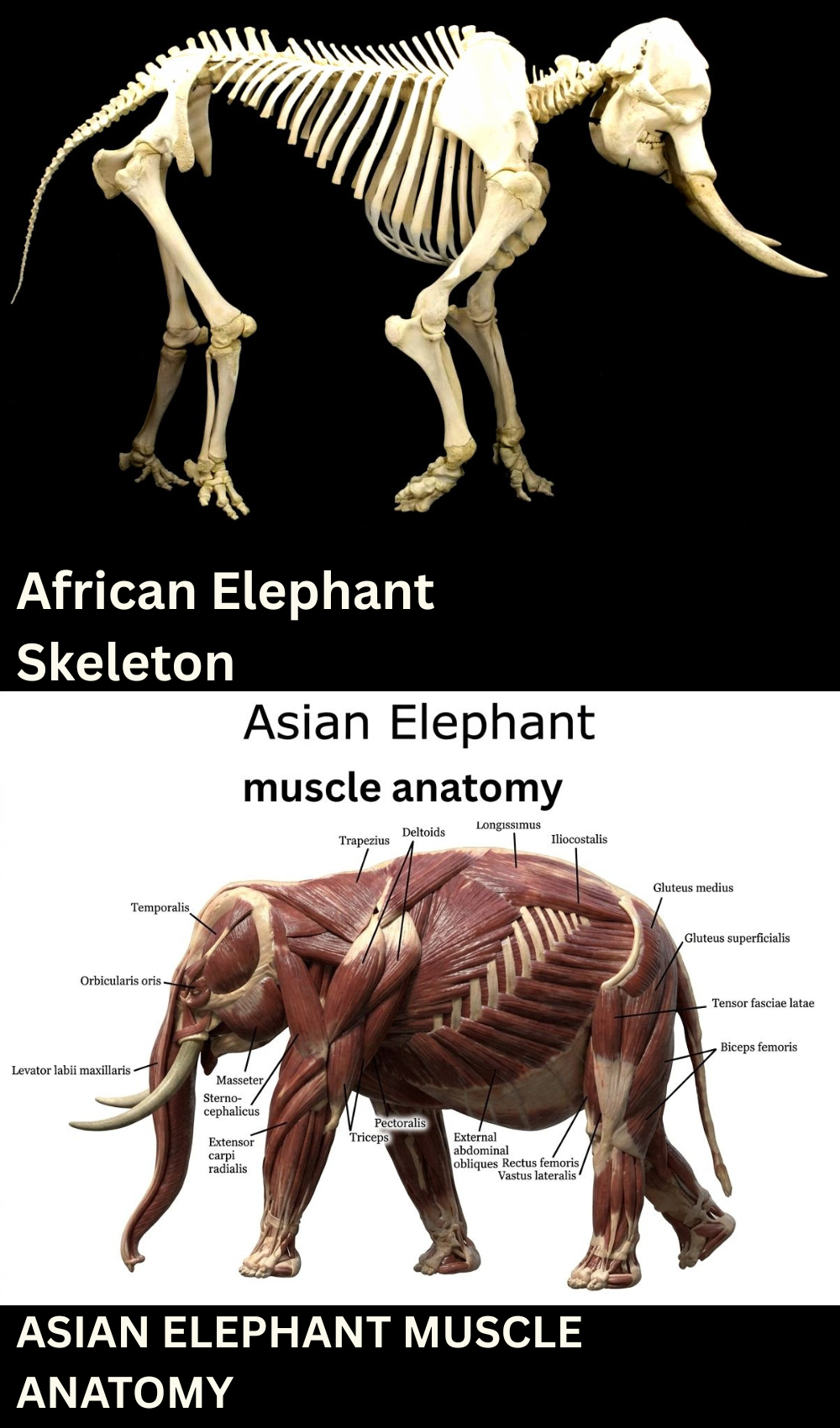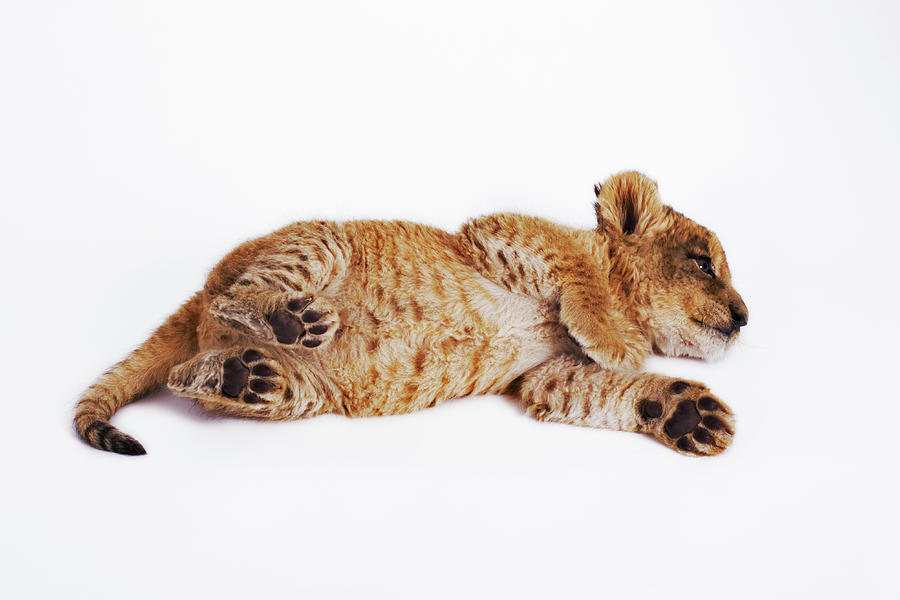
The plan is to create the ultimate post-article for lion animators, featuring top references for artists, so your lion study can focus on aesthetics and being able to technically and accurately replicate poses and give beauty to your 3D pipeline, behavior, anatomy, locomotion, mesh deformation, and texture foundations of real lions.
Pay close attention to details, curves, shapes, colors, and textures.
Here is a good implementation of applying locomotion to a lioness using clear animation references.
Introduction: Why lions are hard but rewarding to animate Anatomy breakdown (skeleton, muscle groups that affect silhouette, paw pads, shoulder blade movement, spine flexibility) Weight & proportions (measurements, male vs female vs cub, weight distribution when walking vs running) Fur & skin behavior (how skin slides over shoulders, whisker pads, ear tension, tail tuft) Full behavior library with video + frame-by-frame screenshots:
Lion Animation Locomotion References
- Running
- Resting / sleeping poses (5–8 variations)
- Sitting / scanning
- Lying on side
- Sphinx pose

- Walk (slow patrol) + contact positions
- Lion Trot
- Lion Canter / gallop
- Lion Stalk / crouch walk
- Pounce & kill bite
- Roaring (mouth shapes, neck tension)
- Lion attacking prey

- Social behaviors (greeting rub, play fighting, cub carrying)
- Climbing trees (yes, lions do this sometimes)
- A lioness is being bitten by Black Mamba
Lion, Lioness, and cub anatomy facts and core features
Adult Male Lion (Panthera leo)
| Category | Details (Scientific Averages & Notes) |
|---|---|
| a) Dimensions | Head-body length: 170–250 cm (5.6–8.2 ft) Shoulder height: 100–124 cm (3.3–4.1 ft) Tail length: 90–105 cm Total length: up to 3.5 m |
| b) Weight | Average: 150–225 kg (330–500 lb) Record specimens: up to 272 kg (600 lb) |
| c) Top Roles & Behavior | • Pride defender: patrols territory, roars to warn rivals, fights invading males • Protects the pride from external threats (hyenas, rival coalitions) • Rarely hunts (less than 10% of kills); eats first at kills • May commit infanticide when taking over a new pride to bring females into estrus |
| d) Fur Color Variations | Body: tawny yellow to reddish-brown, lighter underparts Mane: blond → reddish → dark brown → black (darkens with age & testosterone) Rare variants: white lions (leucism, not albino) |
| e) Sexual Dimorphism | Most pronounced in big cats: males ~50% heavier and 15–20 cm taller at shoulder Only males have thick mane (protects neck in fights, signals health/testosterone) Males have broader head, heavier skull, more massive forequarters |
| f) Top Traits for 3D Animators | • Heavy, powerful build – massive shoulders, thick neck • Mane adds huge volume (flows, compresses, reacts to wind/motion) • Walk: slow, deliberate, rolling shoulders; short bursts of speed (up to 80 km/h) • Secondary motion: mane jiggle, tail tuft, loose belly skin • Intimidation poses: head low, mane flared, slow stalking |
| g) Top Anatomy Facts | • Pronounced scapula (shoulder blade) creates high “hump” when walking • Very muscular forequarters (for fighting/takedowns) • Retractable claws, rough tongue • Short lumbar region = less flexible spine than smaller cats • Large nasal openings, powerful bite force (around 1,000 psi) |
Adult Lioness
| Category | Details (Scientific Averages & Notes) |
|---|---|
| a) Dimensions | Head-body length: 140–185 cm (4.6–6.1 ft) Shoulder height: 90–110 cm (3–3.6 ft) Tail length: 70–100 cm Total length: up to 2.8 m |
| b) Weight | Average: 110–180 kg (240–400 lb) Regional max: up to 200 kg |
| c) Top Roles & Behavior | • Primary hunters (cooperative group hunts, 20–30% success rate) • Communal cub rearing (synchronized births, allomothering) • Core of the stable pride (related females stay for life) • Defend territory and cubs together |
| d) Fur Color Variations | Body: tawny to light buff, slightly lighter than males No mane; short fur on neck/shoulders Rare white variants exist |
| e) Sexual Dimorphism | Smaller and lighter than males (no mane, slimmer neck/head) More agile build for sustained hunting Less massive forequarters, longer lumbar region for flexibility |
| f) Top Traits for 3D Animators | • Sleeker, athletic silhouette – visible muscle definition • Faster, more fluid motion (better for prolonged chases) • Group coordination in hunts: flanking, ambushing • Tail used heavily for balance/communication • Subtle ear & whisker movements show alertness |
| g) Top Anatomy Facts | • Longer back relative to males = better spinal flexion for turns • Proportionally longer legs for endurance hunting • Same retractable claws & rough tongue • More pronounced abdominal muscles (visible when lean) • Slightly narrower ribcage |
Lion Cub (0–2 years)
| Category | Details (Scientific Averages & Notes) |
|---|---|
| a) Dimensions | Newborn: ~30–40 cm long, ~10 cm shoulder height At 1 year: ~100–120 cm head-body, ~60–70 cm shoulder height At 2 years (sub-adult): approaching adult female size |
| b) Weight | Birth: 1.2–2.1 kg (2.6–4.6 lb) 3 months: 10–15 kg 1 year: 40–80 kg 2 years: males ~120–150 kg, females ~100–130 kg |
| c) Top Roles & Behavior | • Play-fighting to learn hunting/fighting skills • Dependent on mothers/pride for food & protection • High mortality (up to 80% before age 2 from infanticide, starvation, predators) • Learn social rules through play and observation |
| d) Fur Color Variations | Born with rosettes/spots (camouflage) that fade by 1–2 years Light brown/grayish coat, darker spots on legs/belly may remain faintly Small fuzzy mane starts ~6 months in males |
| e) Sexual Dimorphism | Minimal until ~1–2 years (males start growing mane fuzz, slightly bulkier) |
| f) Top Traits for 3D Animators | • Oversized paws, head, ears → adorable proportions • Clumsy, bouncy movements (high center of gravity) • Lots of play poses: pouncing, wrestling, stalking • Fast growth = visible size changes over time if showing progression • Exaggerated secondary motion (loose skin, fluffy fur) |
| g) Top Anatomy Facts | • Proportionally larger head & shorter legs than adults • Spots/rosettes on coat for camouflage • Weaker musculature, softer bones (still growing) • Deciduous (baby) teeth until ~1 year • Eyes blue-gray at birth → amber by adulthood |
Lion, Lioness, and Lion Cub Anatomy: Essential Muscle References for Animators
Lions (Panthera leo) are powerful big cats engineered for explosive strength, speed (up to 50 mph in bursts), and agile hunting. Accurate muscle knowledge is crucial for animators to capture realistic movement—whether a male’s dominant charge, a lioness’s stealthy stalk, or a cub’s playful pounce.
Key Differences Across the Pride
- Adult Male Lion: Heavier build (up to 550 lbs) with thick mane obscuring neck muscles but emphasizing massive shoulders and chest.
- Lioness: Leaner (250–350 lbs), no mane—muscles appear sharper and more defined, ideal for studying clean lines.
- Lion Cub: Oversized head, short legs, and baby fat soften muscle visibility; movements are wobbly and exaggerated until maturity.
All share a digitigrade stance, a flexible spine, and retractable claws.

Top Muscles Explained for Animators (with Visual References)
These superficial muscles create the key “landmarks” that shift under skin/fur during motion:
- Trapezius & Latissimus Dorsi (neck/upper back): Pull scapula; create shoulder ridges in strides and pounces.

Lion Anatomy for Artists: Skeleton and Muscle Diagrams – Monika …
- Deltoid & Triceps Brachii (shoulder/forelimb): Drive powerful swipes and leaps; bulkier in males.
- Pectoralis Major/Minor (chest): Form deep “V” shape; bulge during crouch or lunge.
- Gluteus Medius & Biceps Femoris (hindquarters): Massive propulsion muscles—watch them flex in jumps.
- Quadriceps Femoris (front thigh): Prominent in stretched poses and sprint kick-off.
- Gastrocnemius (calf): Springy “reverse knee” for explosive push-off.
- Masseter & Temporalis (jaw): Enormous for 1,000+ psi bite; animate jaw jiggle in roars.
- Serratus Ventralis & External Oblique (flanks): Ripple during twists and breathing—great for secondary fur motion.
In cubs, these are underdeveloped and rounded—exaggerate squash-and-stretch for cuteness.

Best Free + Paid References & Websites
- Monika Zagrobelna – Lion Anatomy for Artists (Free layered diagrams) https://monikazagrobelna.com/2021/06/06/lion-anatomy-for-artists-skeleton-and-muscle-diagrams/
- Maria Panfilova – Lion Anatomy Tool (3D interactive écorché, 96 labeled muscles) https://panfilova.gumroad.com/l/ggbHo or https://flippednormals.com/product/lion-anatomy-tool-for-artists-20
- Jun’s Anatomy – 1/6 Scale Lion Model & Chart (Physical figurine + poster) https://www.junsanatomy.com/products/lion-anatomy-model-v1-1https://www.junsanatomy.com/products/lion-anatomy-chart
- Eliot Goldfinger – Animal Anatomy for Artists (Book – definitive lion plates)
- ArtStation Lion Écorché Models (Various 3D references) Example: https://www.artstation.com/marketplace/p/epzlb/lion-ecorche-model-muscles-and-skeleton-3d-model
Combine these diagrams with slow-motion lion footage, and your animations will roar with anatomical accuracy!
Disclaimer: For educational purposes only.